handdryerfraud.com
Private · Access by credentials
Incorrect password
handdryerfraud.com

Join the Dryer Army

Hand dryers are toxic, don’t dry hands when used to the manufacturers’ and certifiers’ specifications, and are not a green, energy-efficient product.

Let’s get them removed.

We have done the work.
We give it to you, asking that you give it to dryer owners.
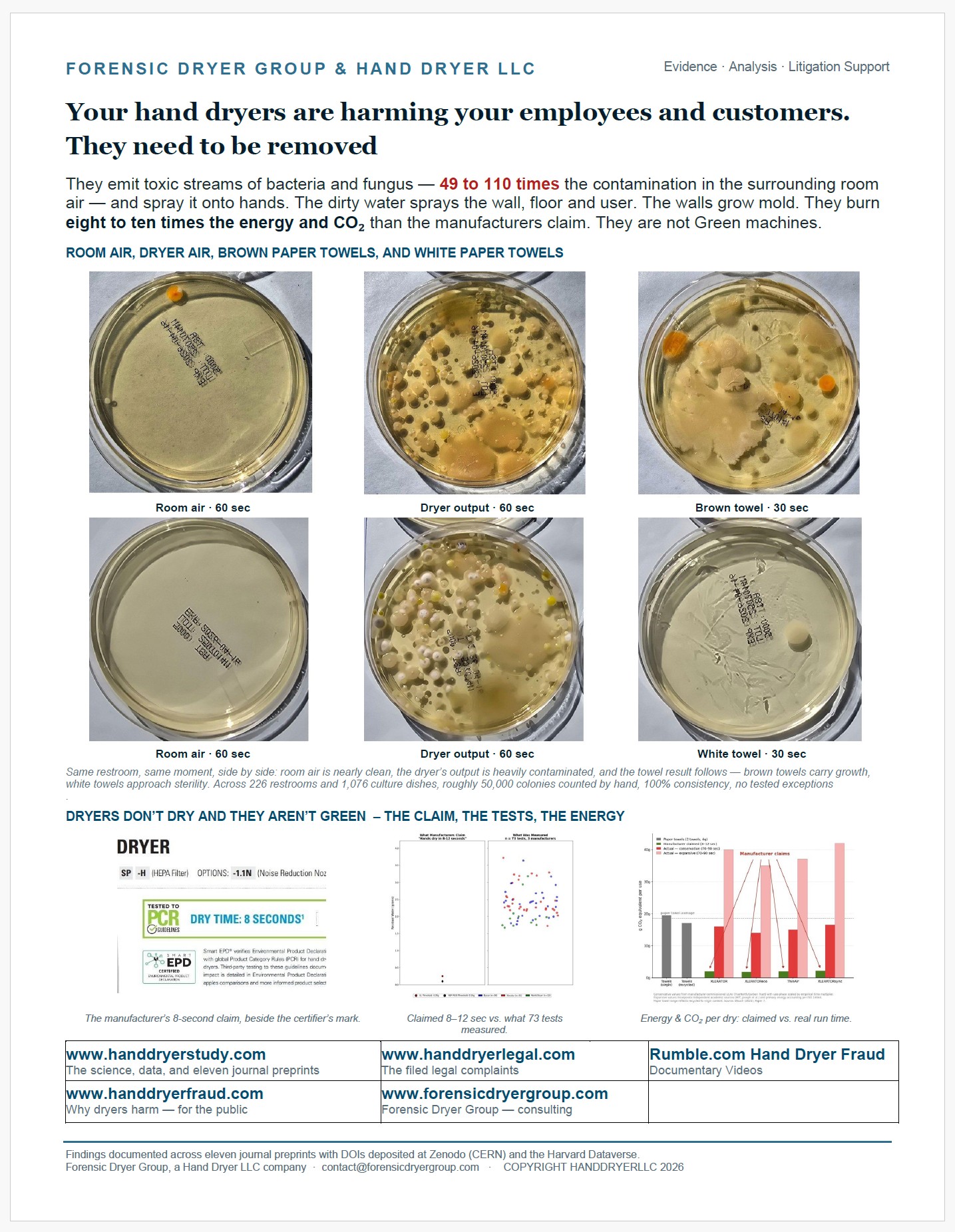
Hand dryer facts one-pager — three years of science and law on a single sheet
View, download and print now ⤓
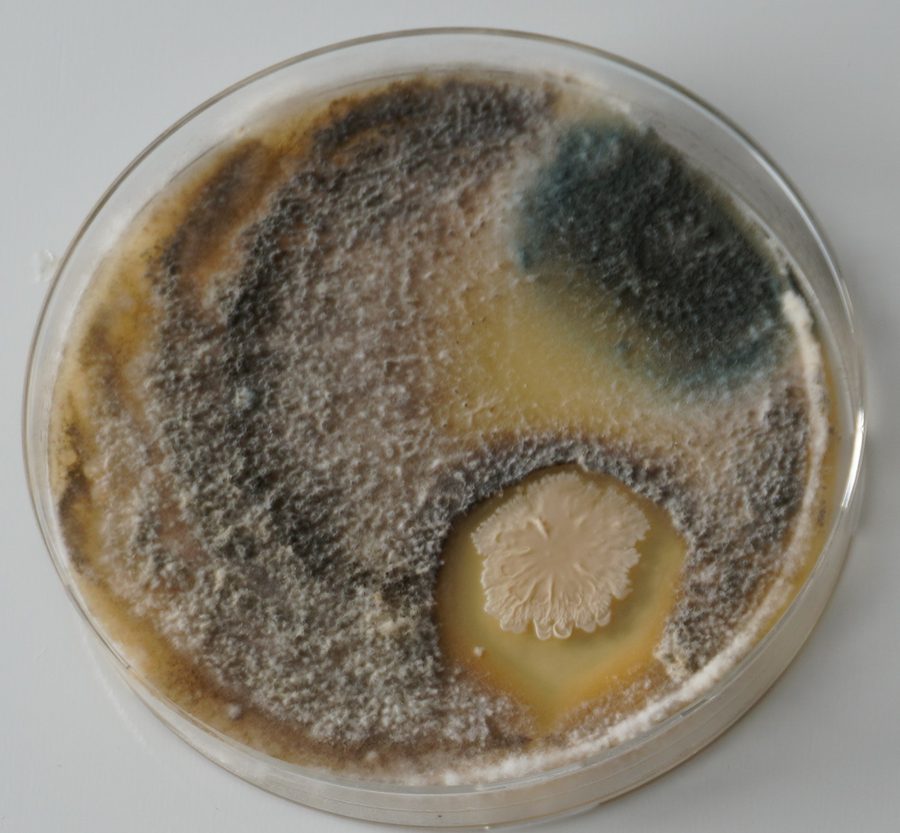
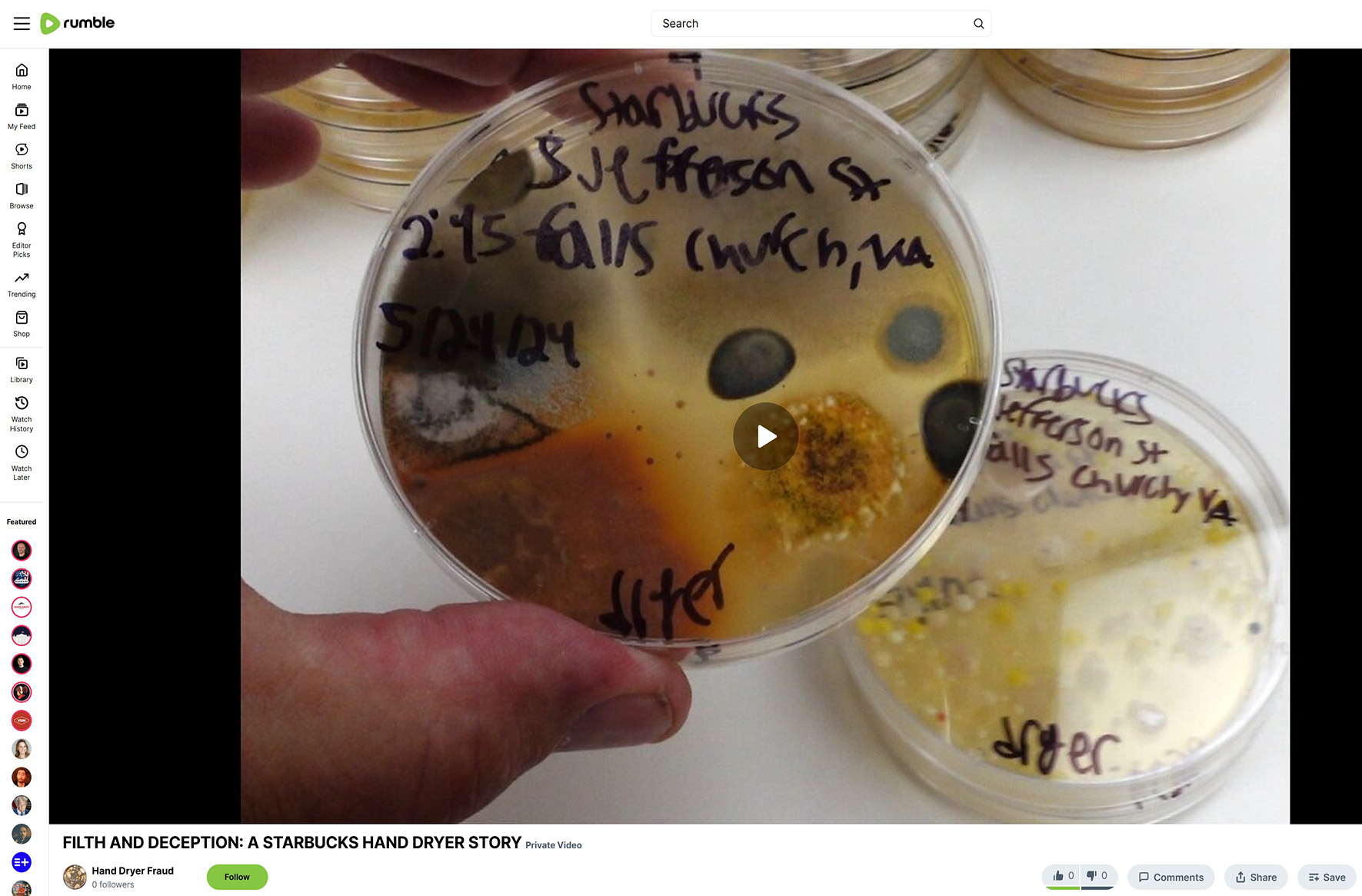
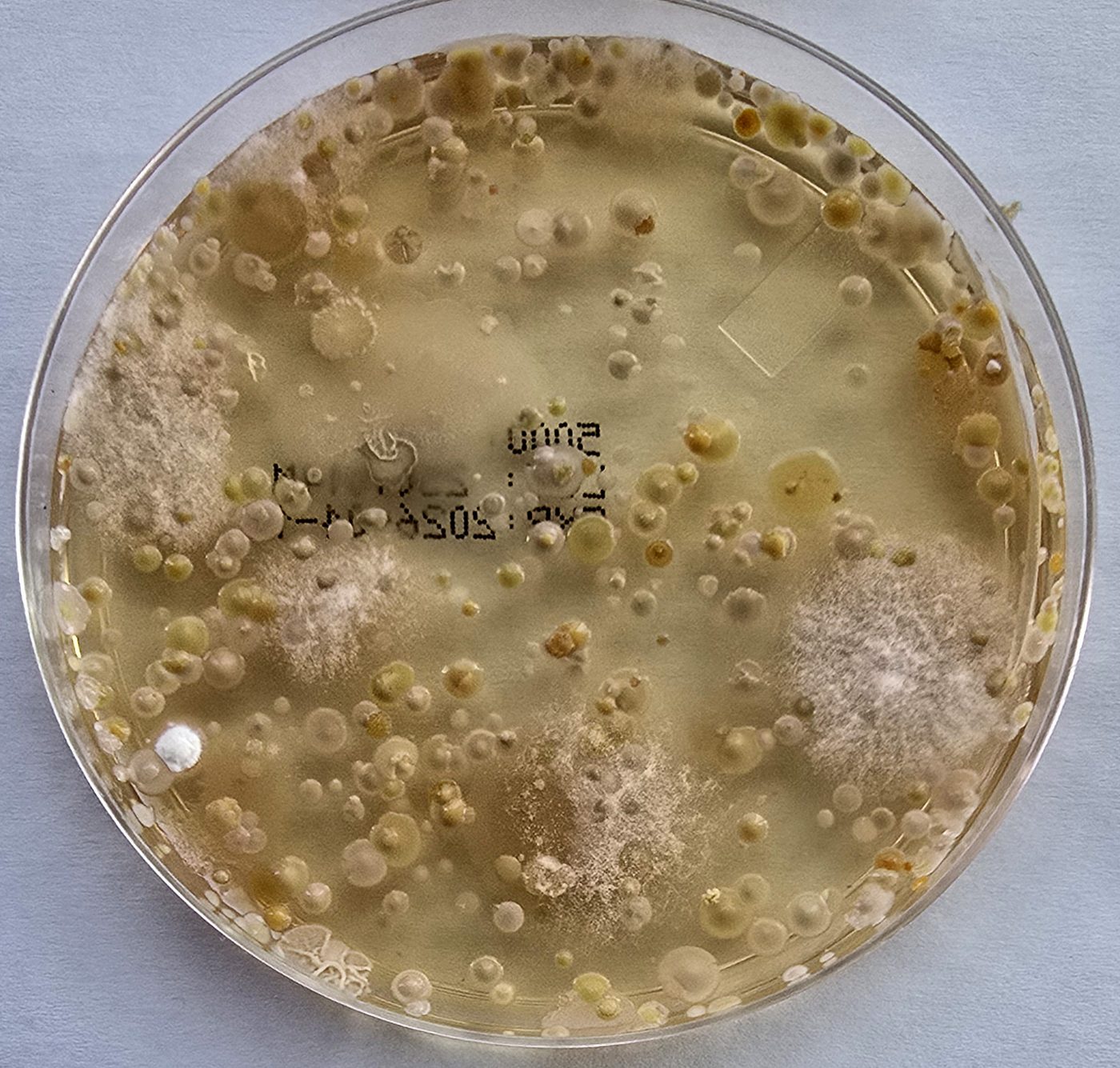
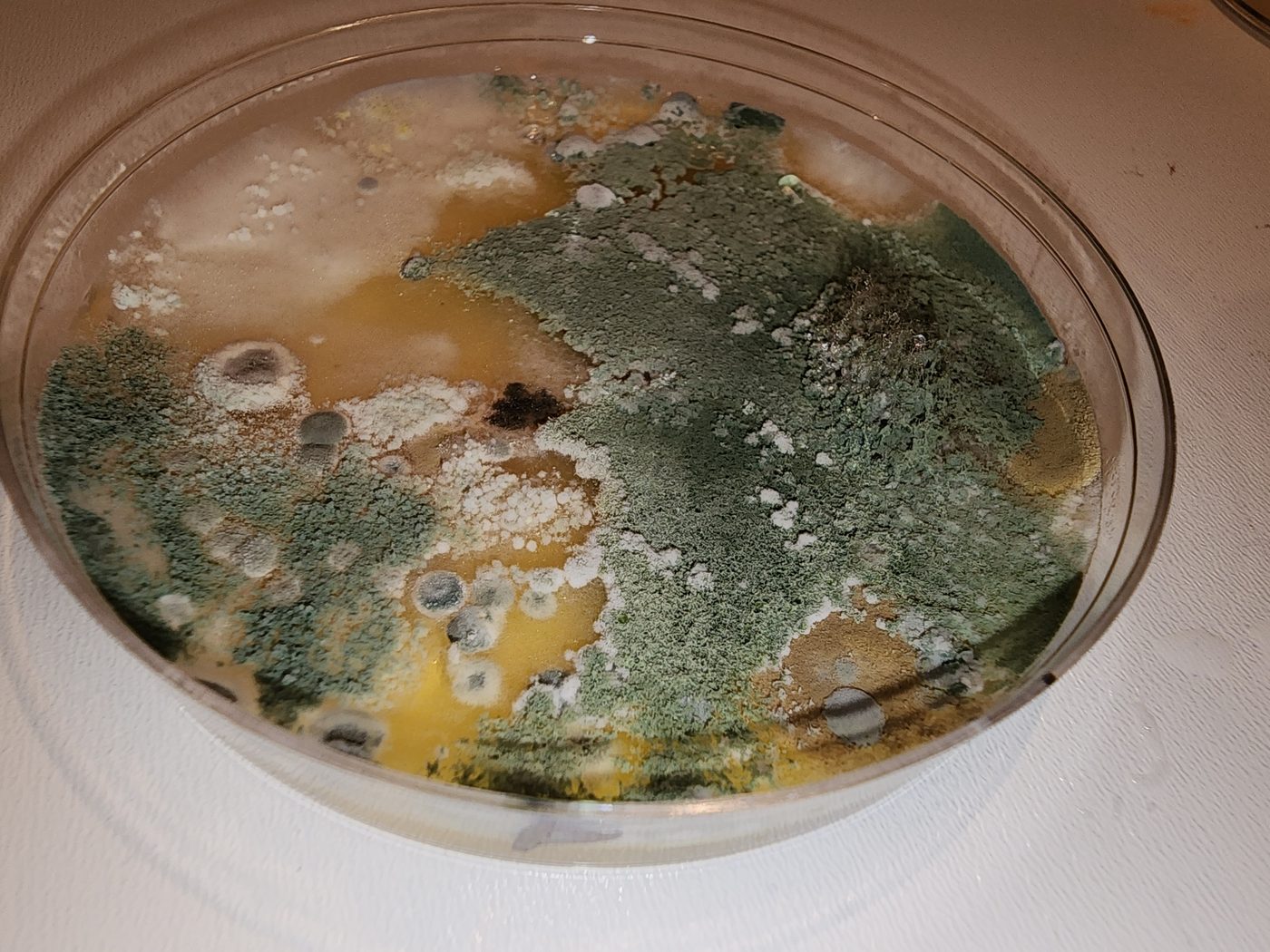
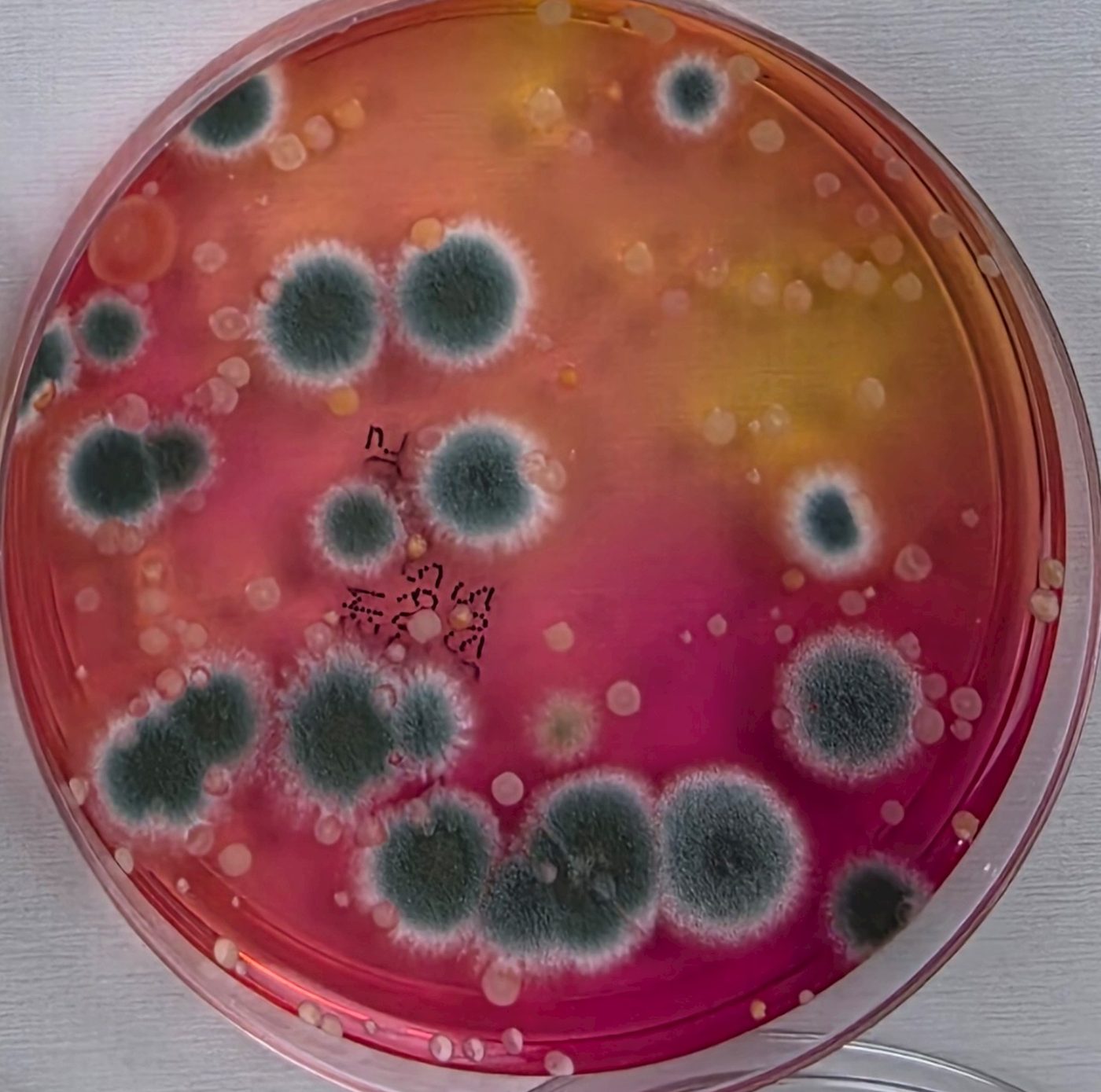
A public-restroom sample cultured — heavy mold and bacterial growth across the dish
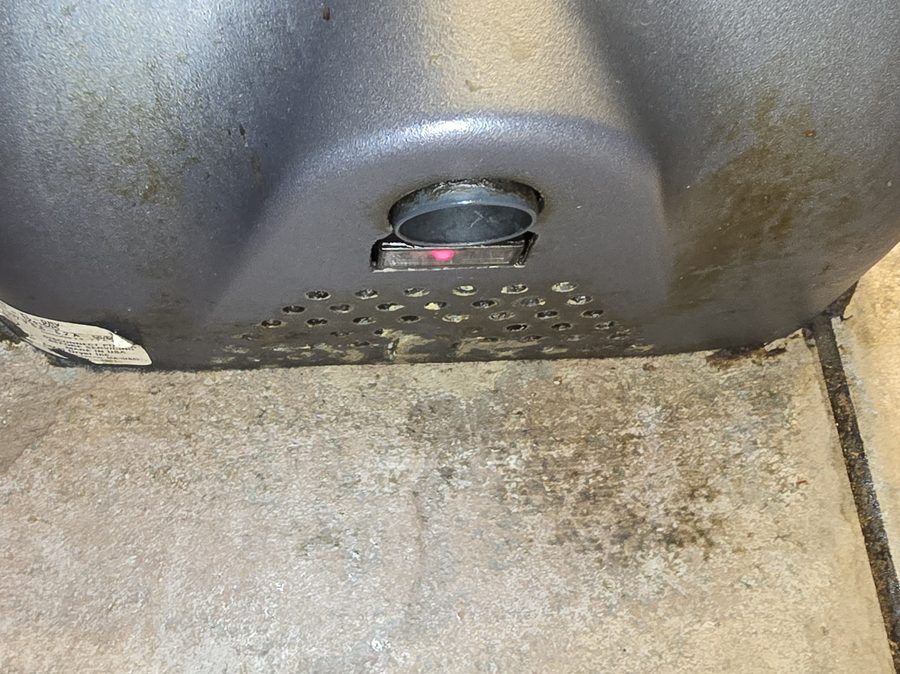
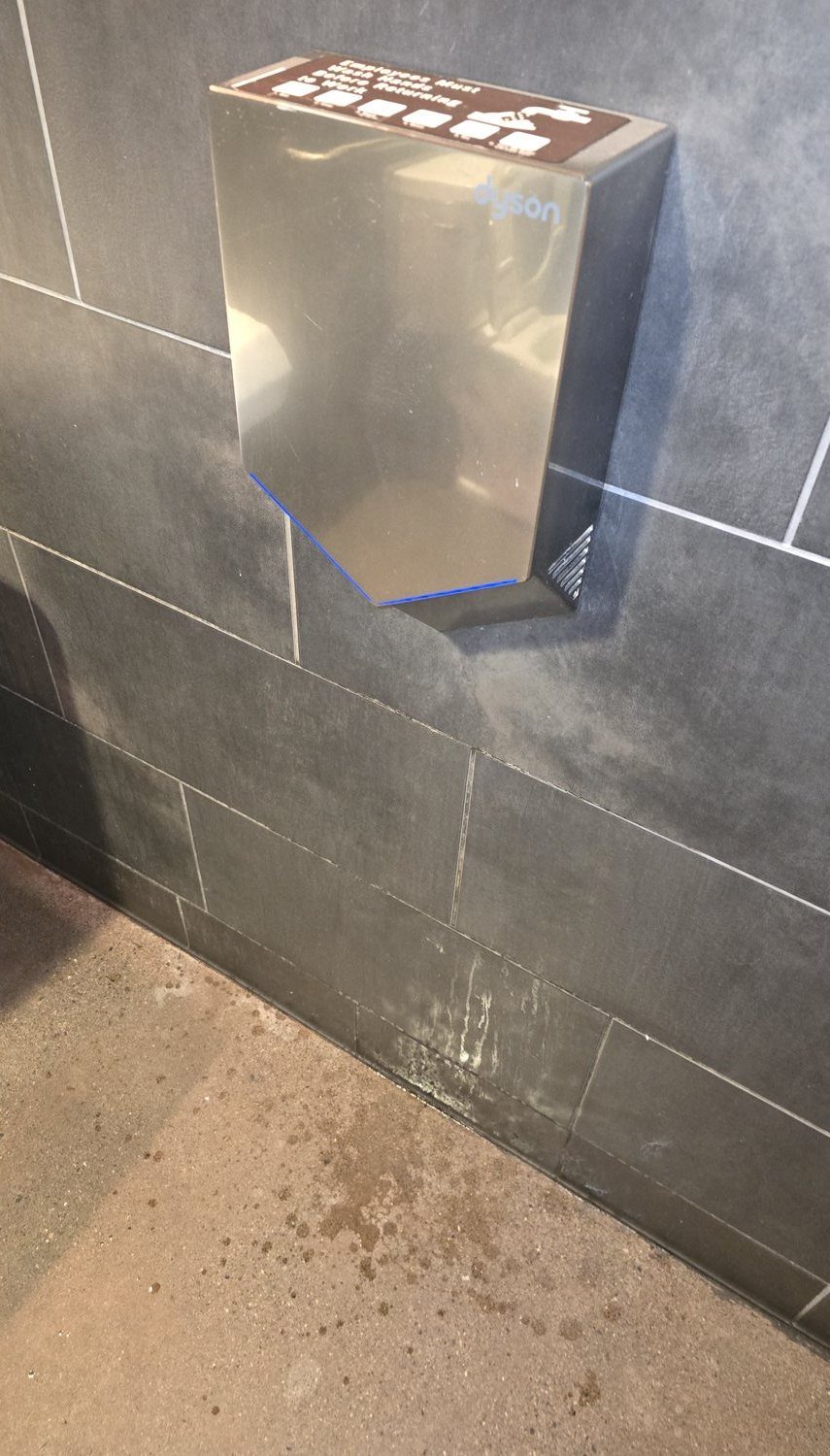
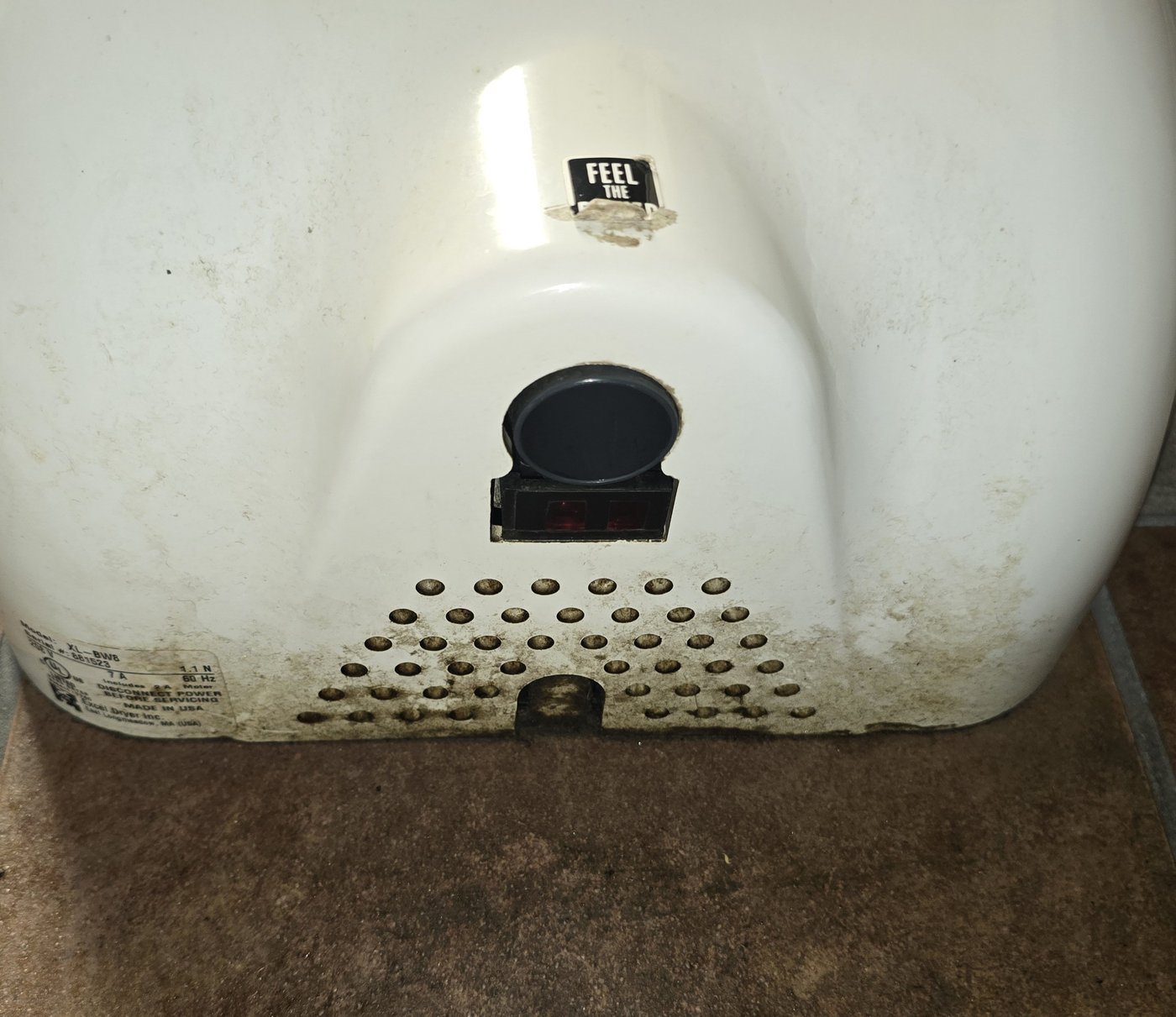
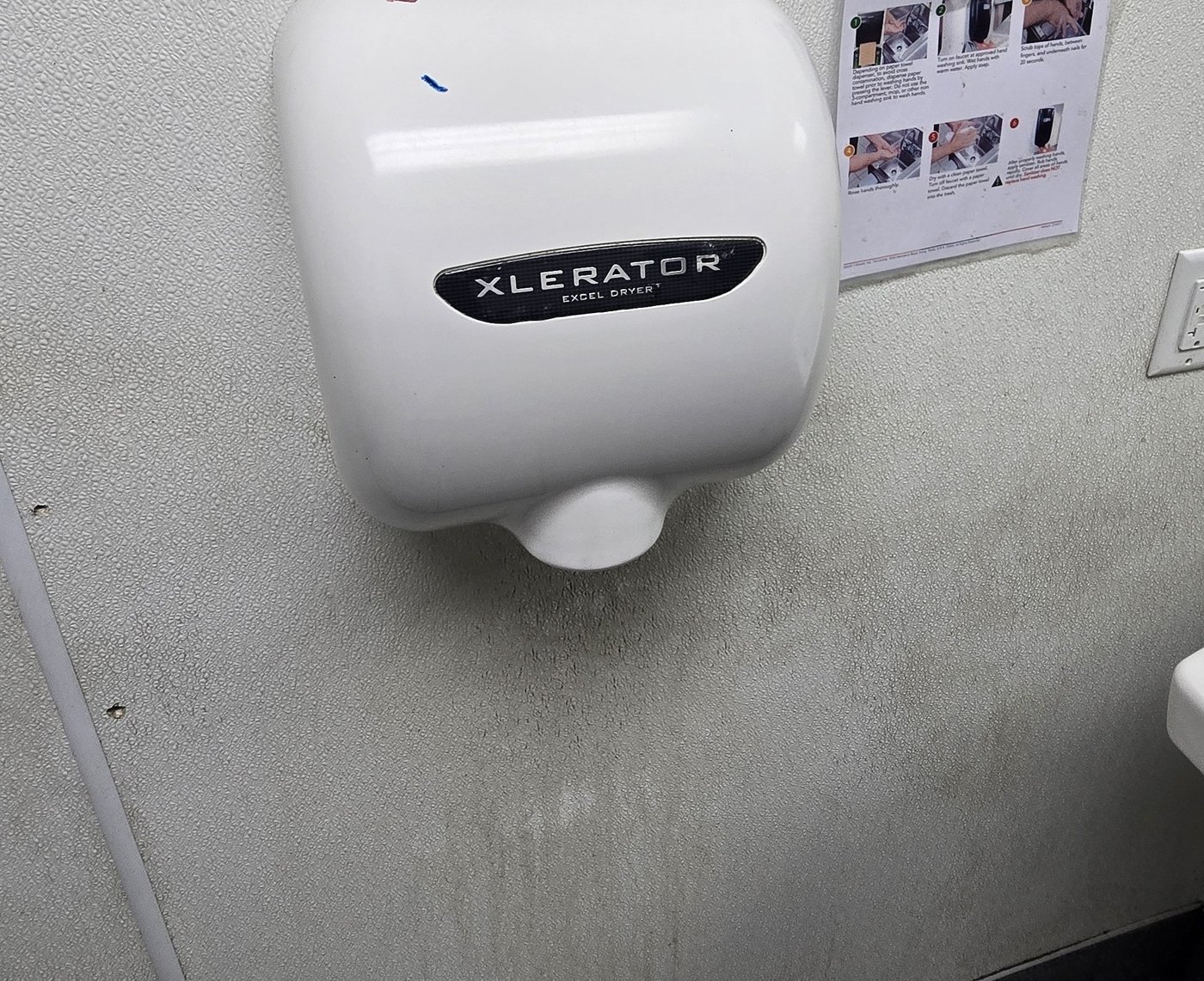
The underside of a hand dryer — grime and mold in the air vents, filth on the floor beneath

Hand Dryers are Filthy

Three years of research, 50,000 hand-counted bacterial colonies, eleven journal preprints,
and a scratch-written civil suit. You can help fix this.

FINDINGS

The mold beneath the dryer in a flagship national institution.1

Documentary: Filth and Deception — A Starbucks Hand Dryer Story
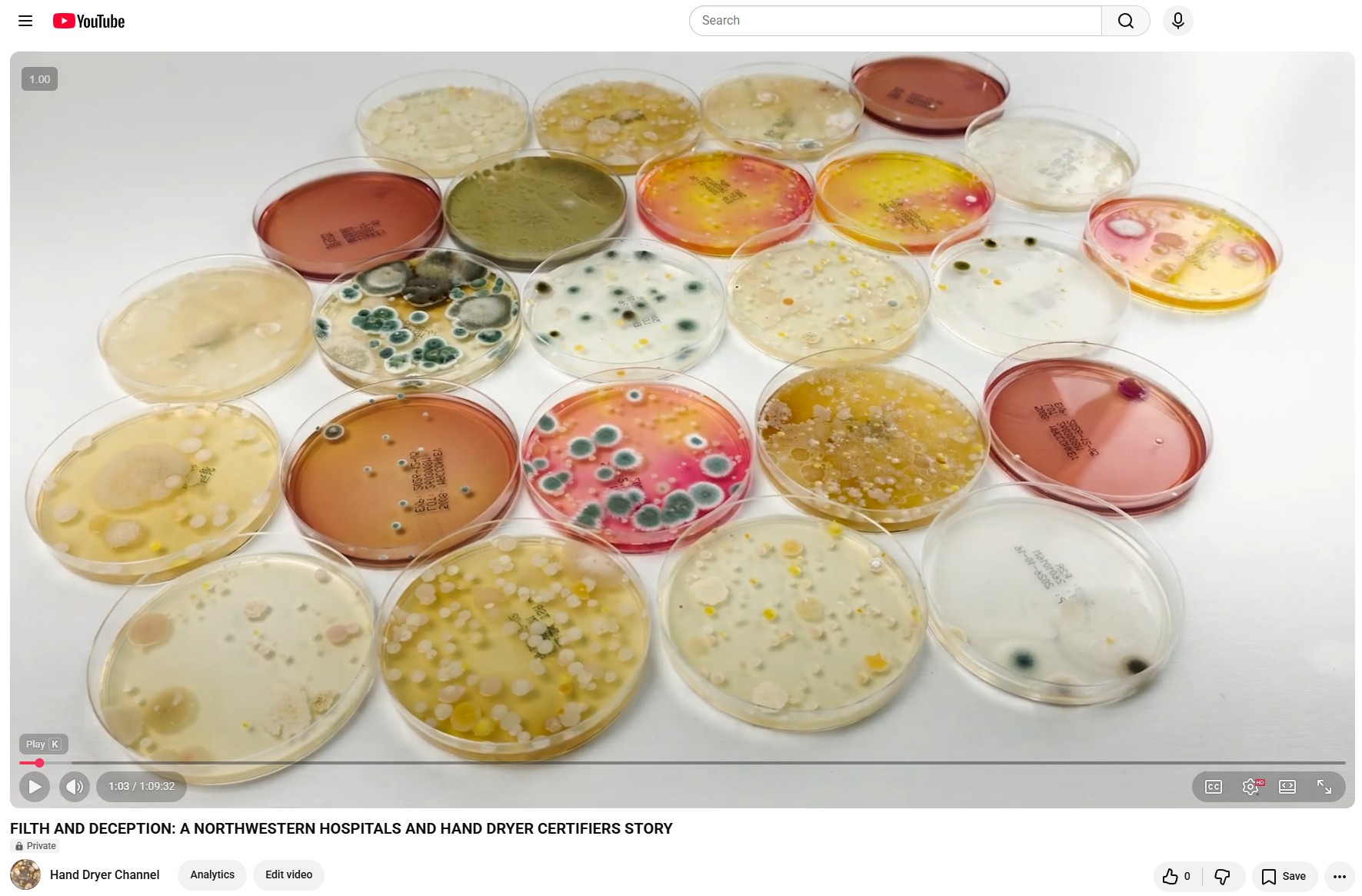
DOCUMENTARIES
Documentary: Filth and Deception — A Northwestern Hospitals and Hand Dryer Certifiers Story
DOCUMENTARIES
CASE STUDY

Where the water actually goes.

White paper towels solve the problem

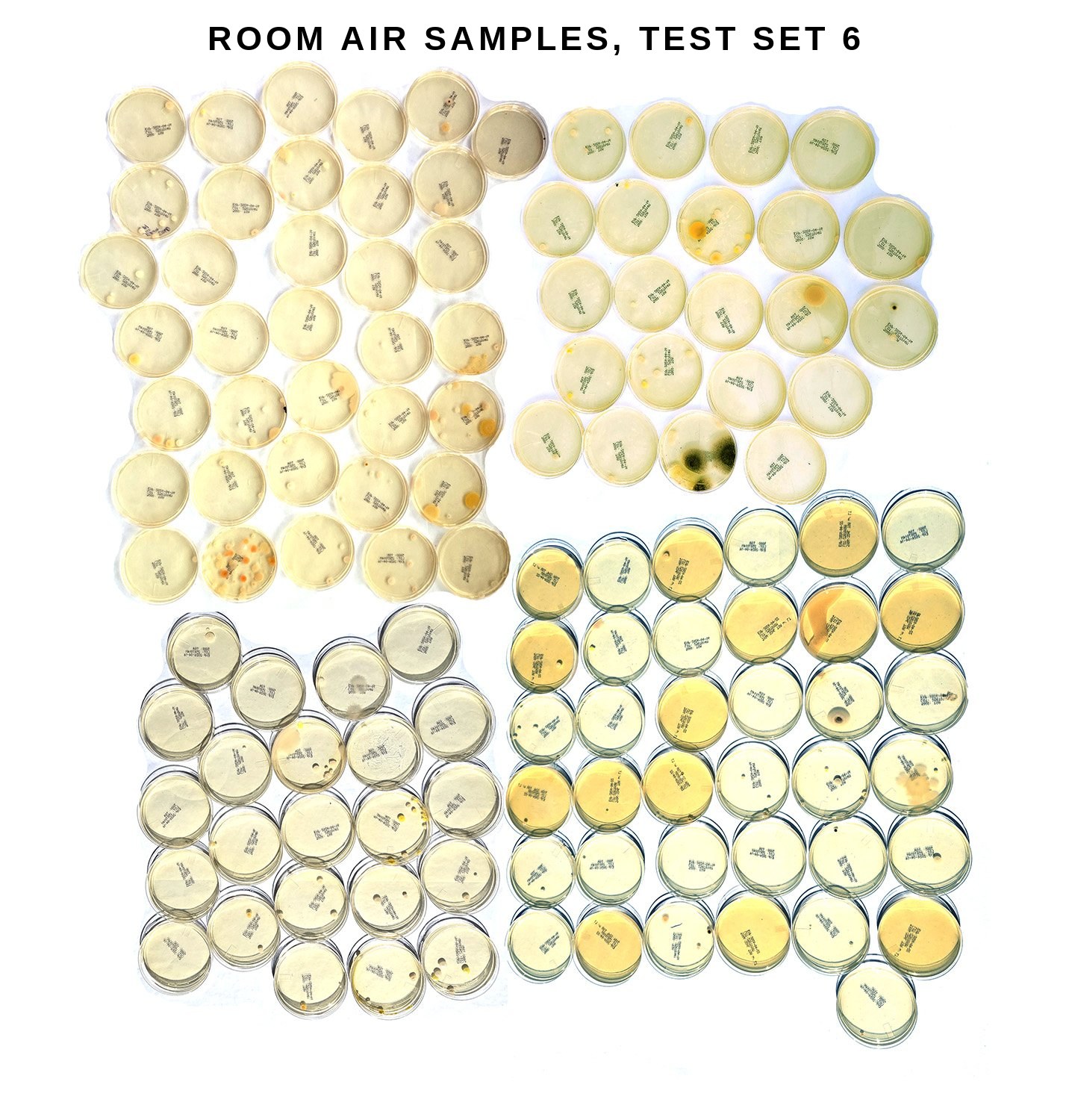
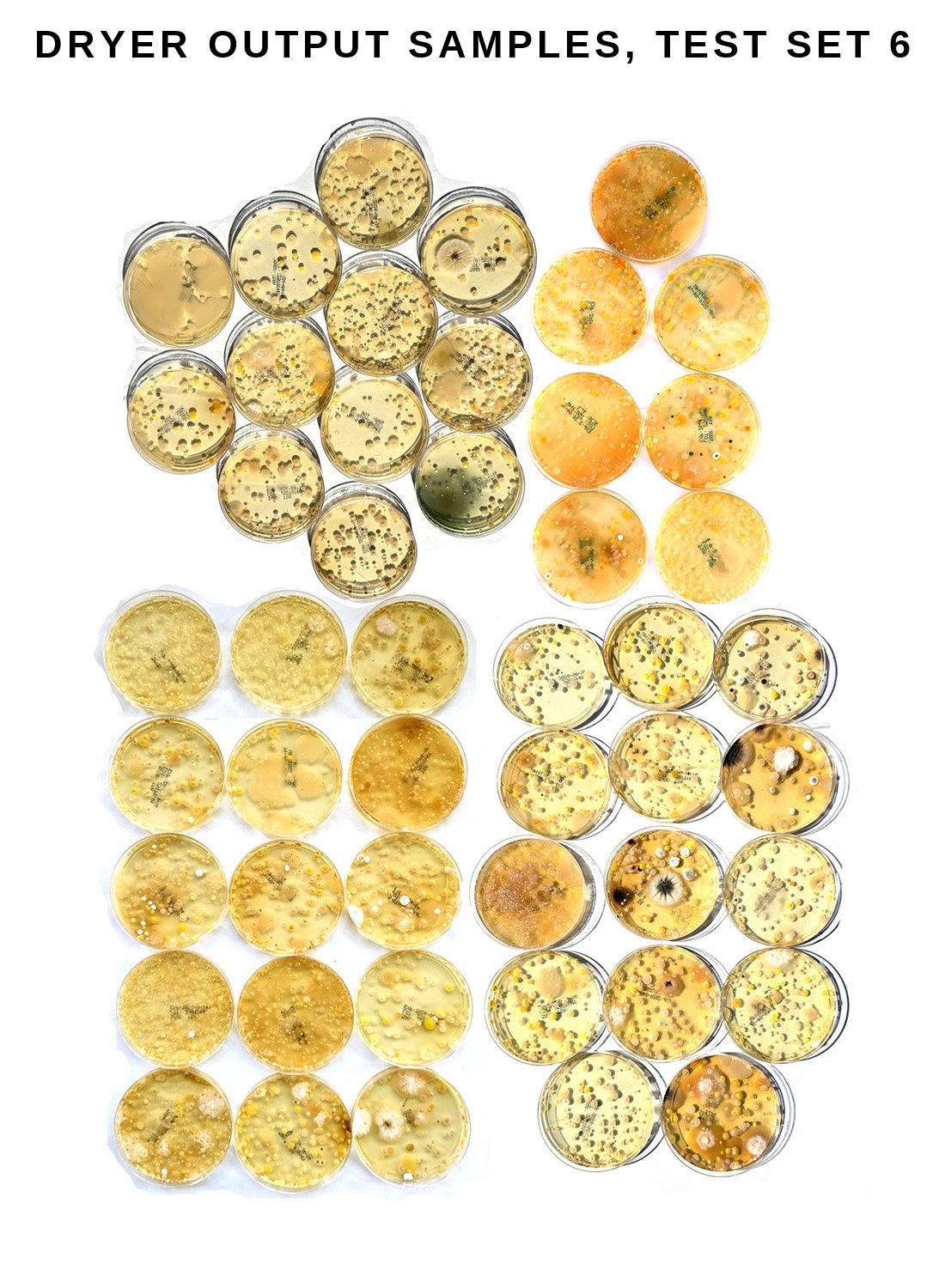
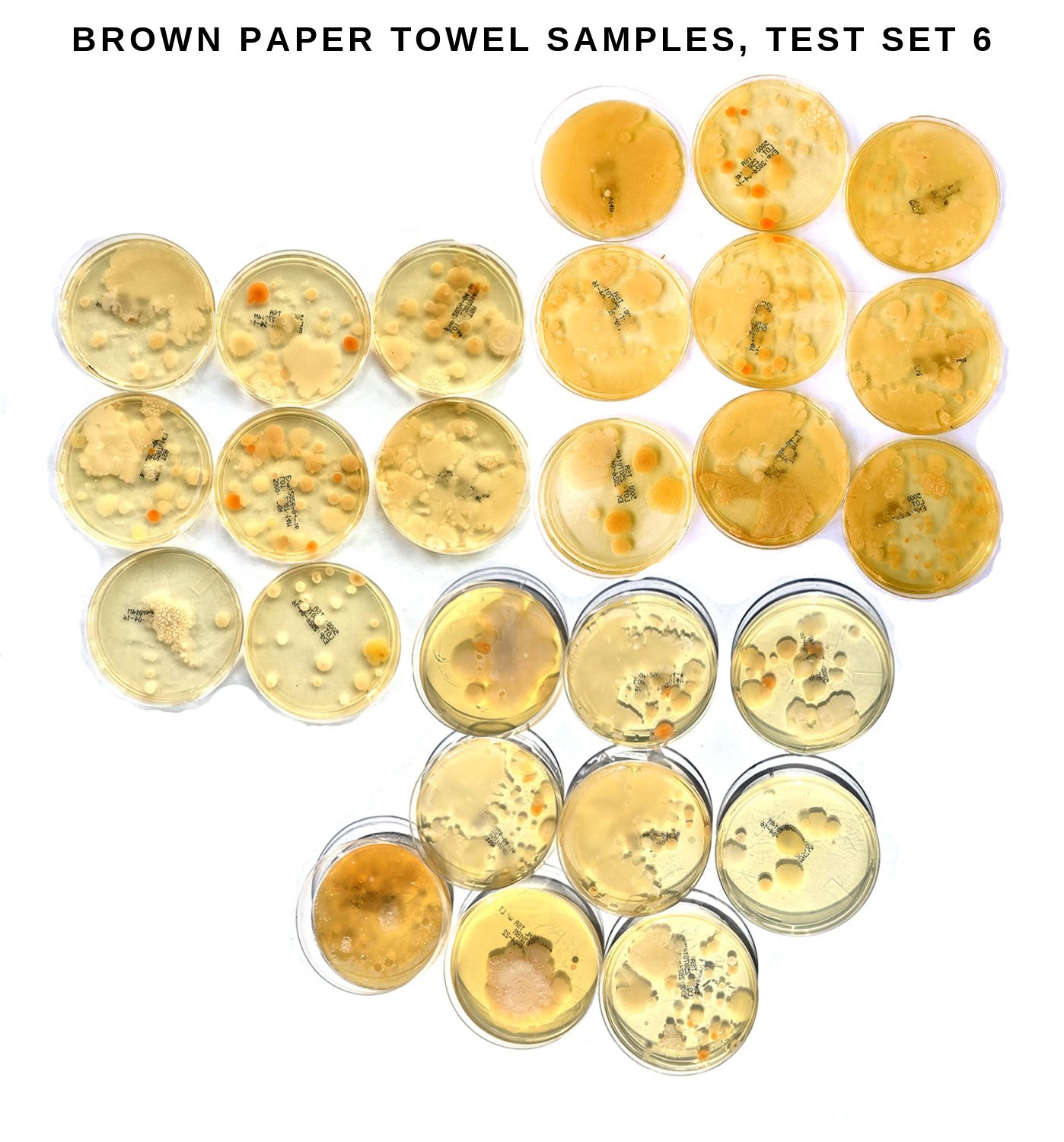
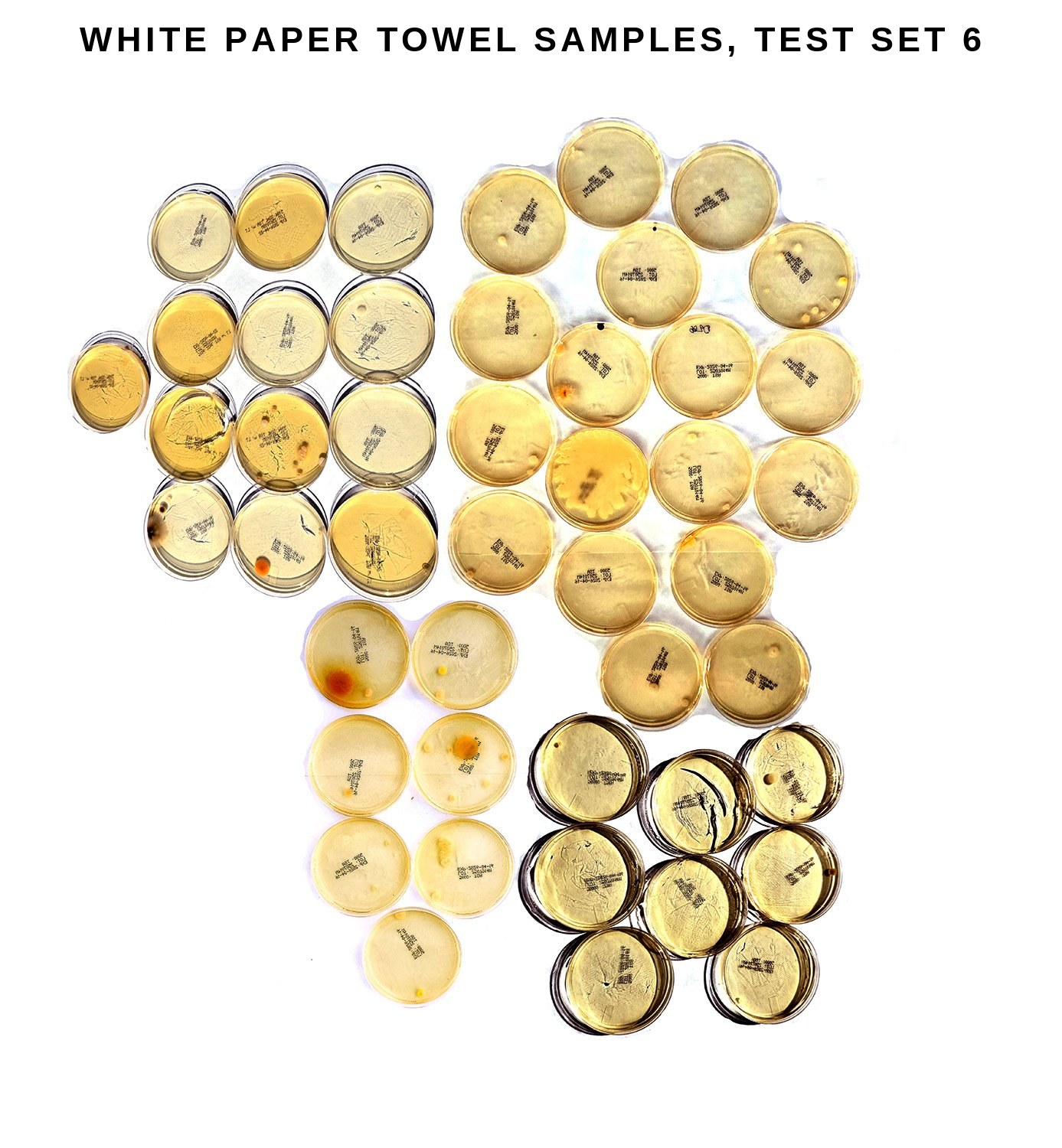
The six dishes below show both the problem and the solution. Room air is relatively clean. Dryers and brown paper towels are contaminated. White paper towels are nearly sanitary — sometimes cleaner than the room air they reside in.

A restroom containing both a dryer and brown paper towels
A restroom containing both a dryer and white paper towels

Each set of three dishes, top and bottom, came from a public restroom that had a hand dryer next to a paper towel dispenser in the same room, in the same restroom air. Brown paper towels on top. White paper towels below. Every test set in the 353 microbial content series of tests — 1,076 culture dishes across 226 unique restrooms — is functionally identical. www.handdryerstudy.com

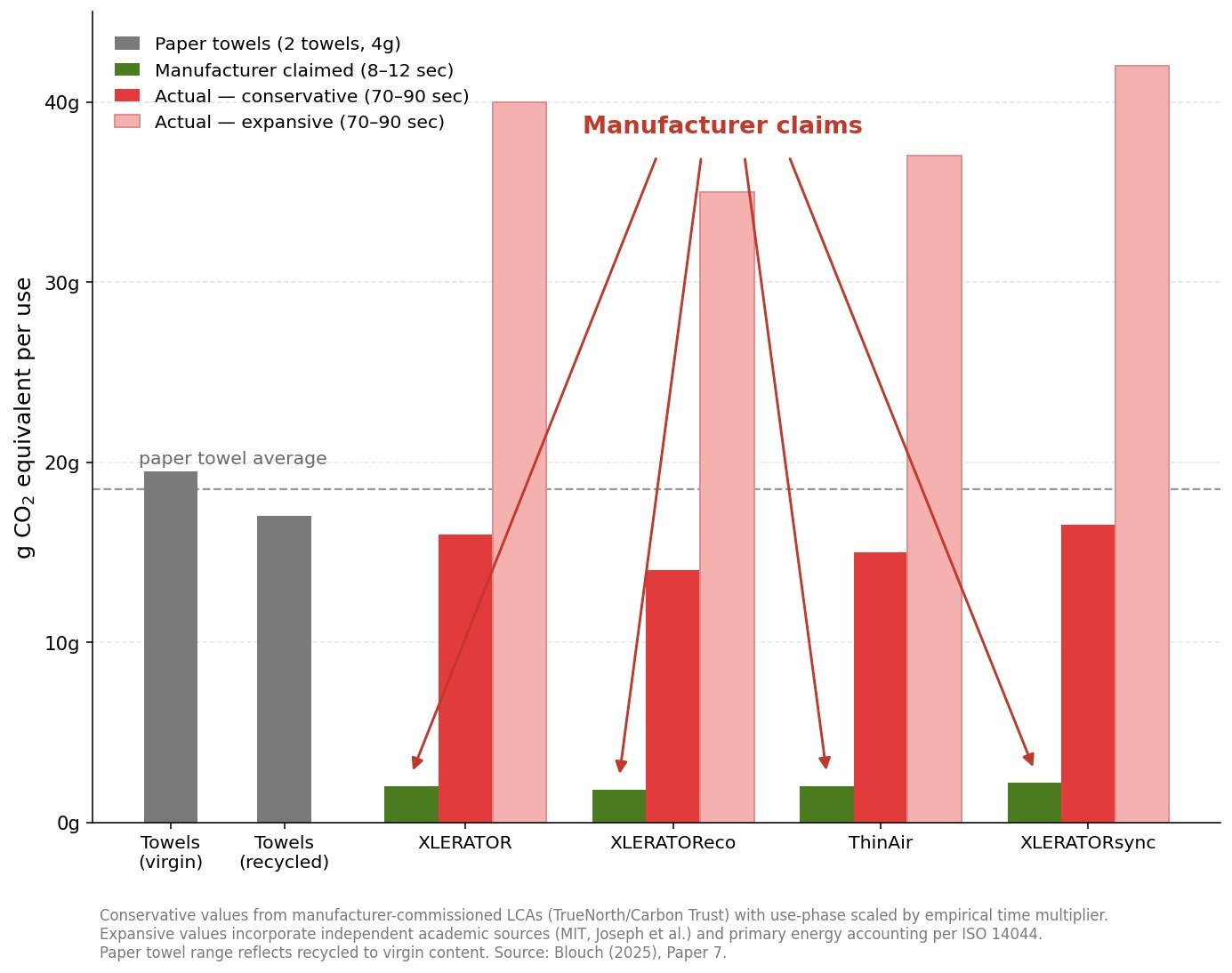
Dryers dry slowly and use as much energy and CO2 as paper towels

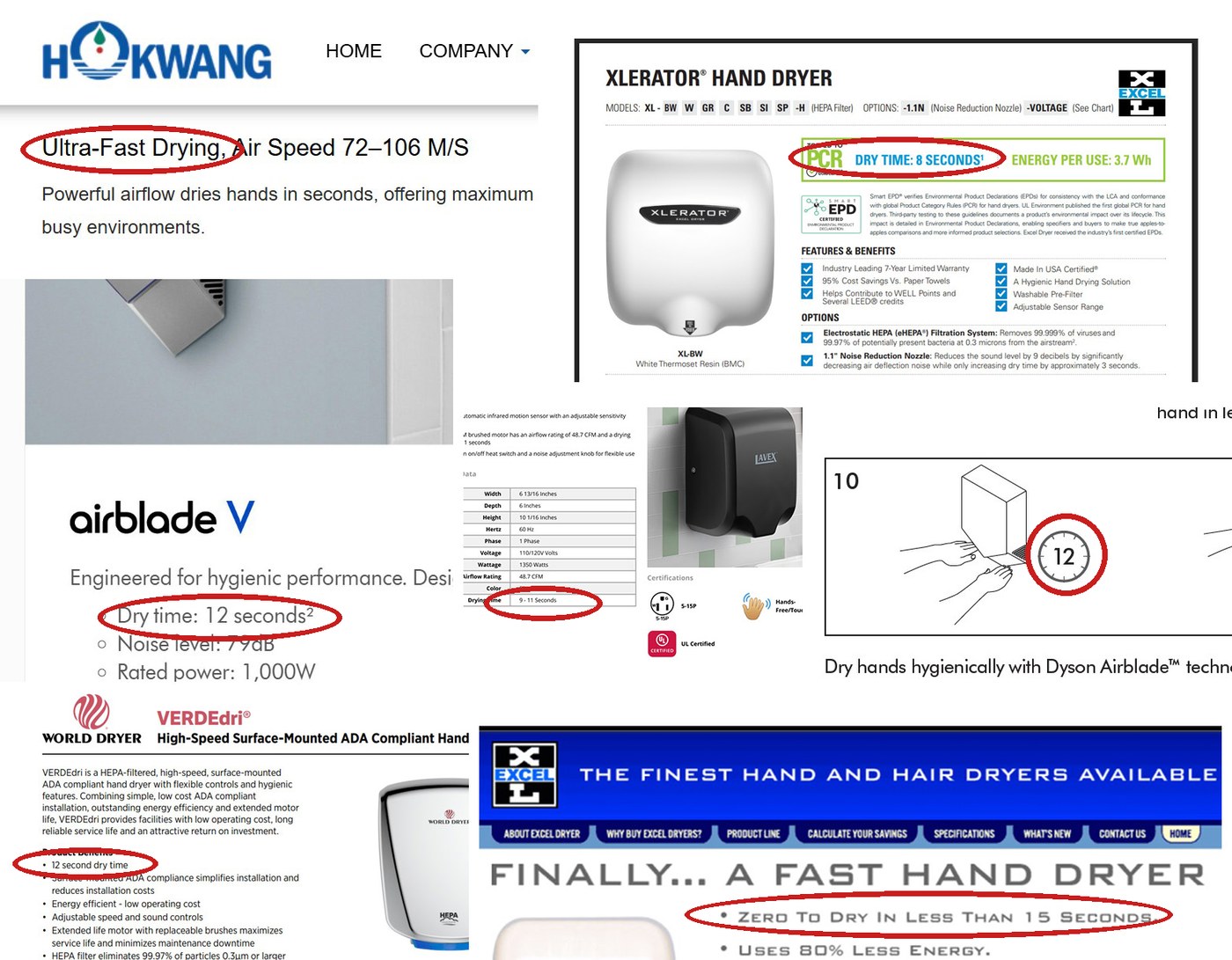
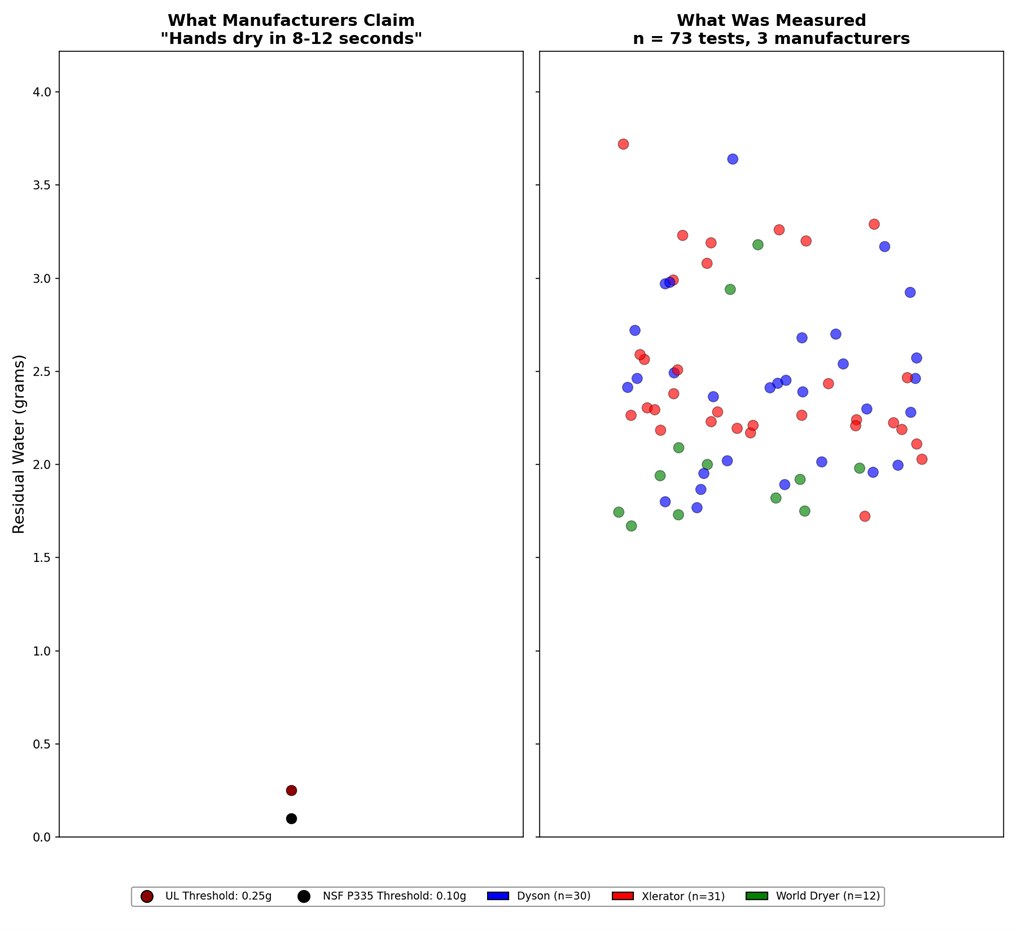
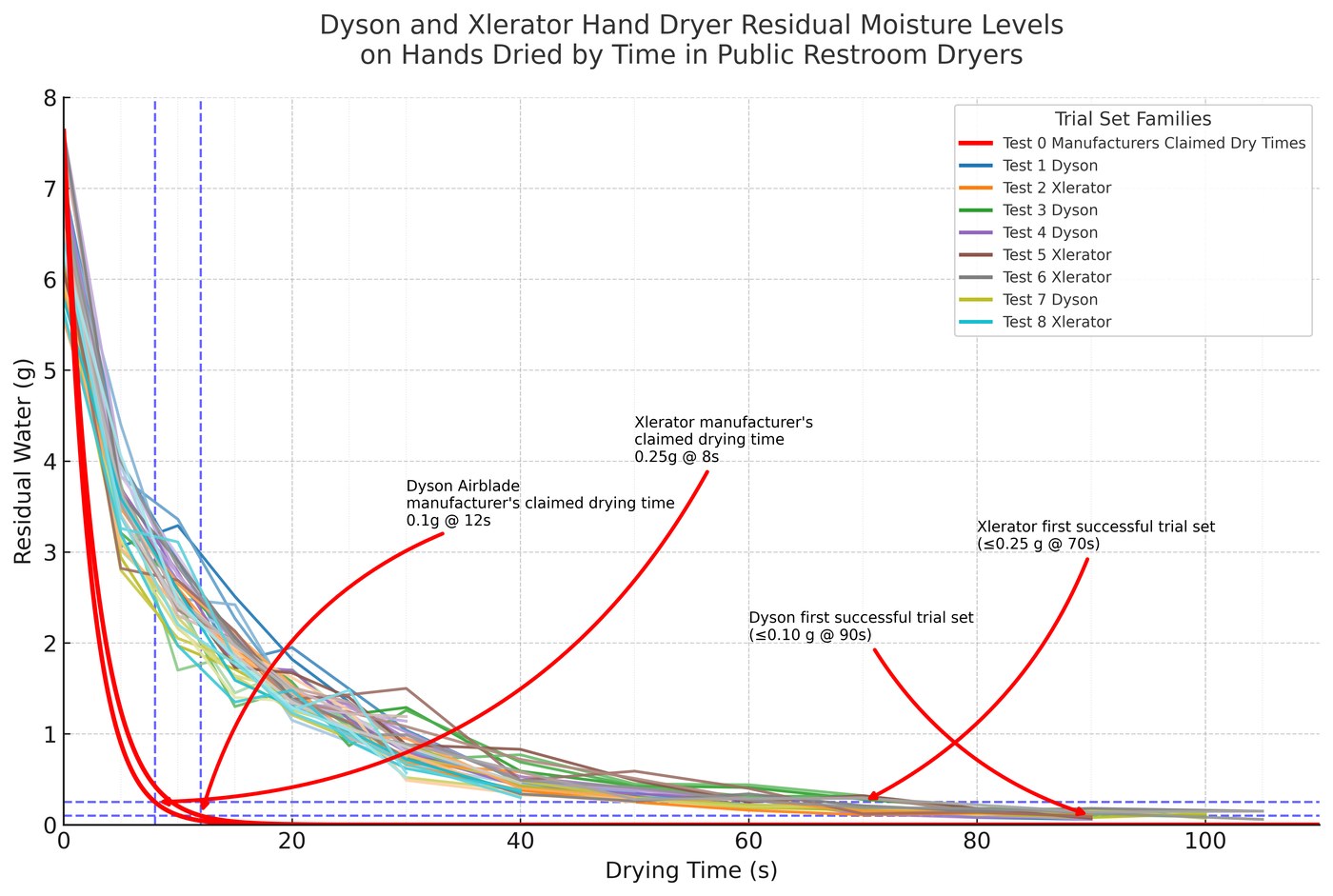
Manufacturers claim dryers dry in eight to fifteen seconds when it requires 60 to 90 seconds to meet their own dryness standards. Energy usage if you dry completely is eight to ten times greater than claimed.

In 462 measured trials, every downdraft dryer failed residual water tests at the claimed time by about 2000%. Actual time to dry is 70–90 seconds, eight to ten times longer than claimed, visible in the time chart and animation above.2 All published and certified energy and environmental claims are therefore off by a factor of eight to ten, making hand dryers equivalent or worse than paper towels if they are used to dry hands to the manufacturers specified dryness.3 Full data in the published studies.

How Dryers Fail

The claims are testable. They fail every test.

Commercial hand dryers are certified to dry hands in seconds, to be hygienic, and to save energy. Eleven journal preprints and a federal civil complaint now document that they do none of these things. Most of those claims are verifiable by anyone, in minutes, without instruments or expertise.

  • Every hand dryer failed to dry hands in the time claimed — by a factor of eight to ten.
  • Every hand dryer demands eight to ten times more energy than claimed.
  • Every hand dryer grew mold beneath it. All of them.
  • Every hand dryer amplified airborne contamination in the room. Median 110×.

Test it yourself

Visit any public restroom with a certified electric hand dryer. Wash your hands. Hold them under the dryer for fifteen seconds — longer than any claimed drying time. Then observe three things:

  1. Watch where the water goes as it leaves your hands.
  2. Remove your hands at fifteen seconds. They are visibly, obviously wet.
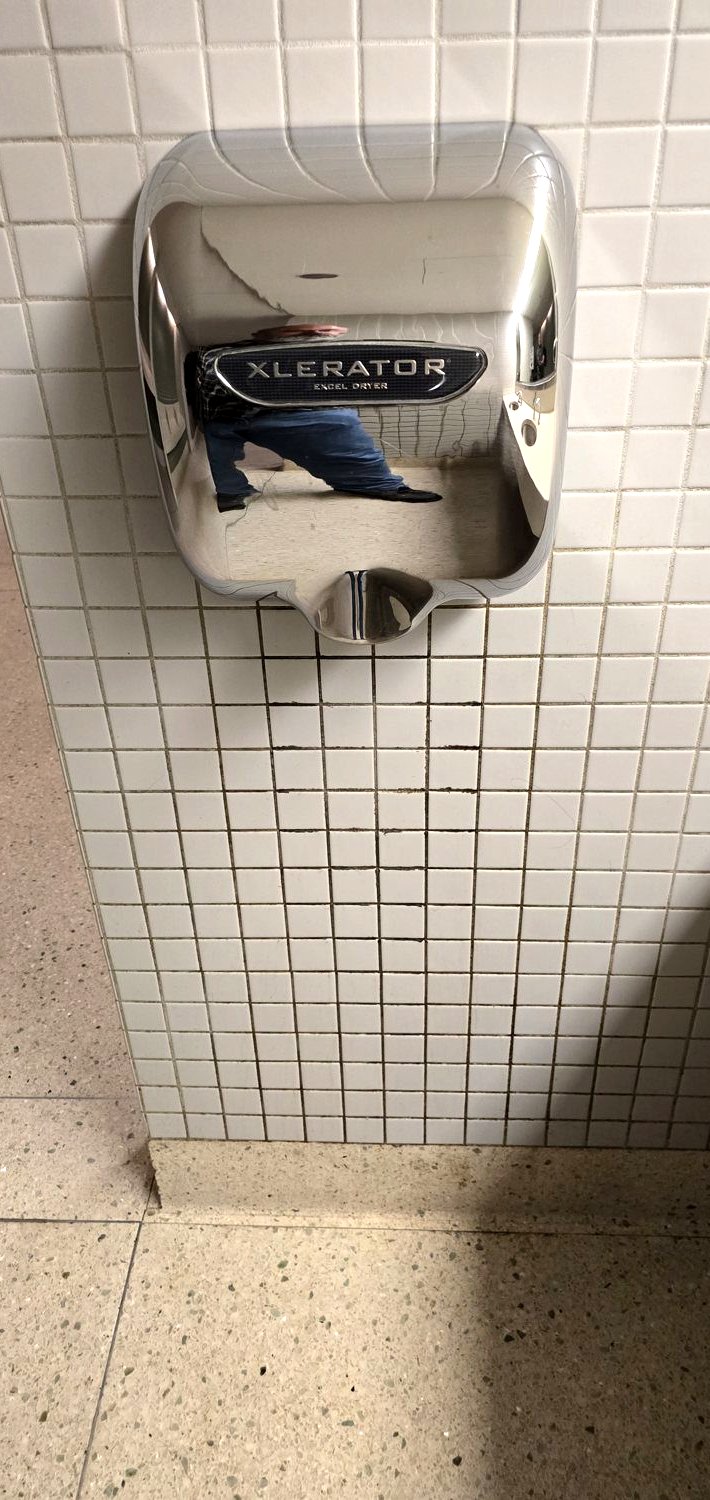
  3. Look at the wall and floor beneath the air outlet. Note the mold, dirt, and water staining spreading from that point.

Read the evidence yourself

The complete record is published. Science, chain-of-custody, complaints, and documentaries. View them and decide.

What the research found

During two and a half years of testing — 169 distinct hand dryers, 462 drying trials, 353 contamination tests, 226 unique restrooms examined, and approximately 50,000 bacterial and fungal colonies counted by hand — the findings were consistent, statistically overwhelming, and reproducible across every manufacturer tested.

01 — Drying time

They do not dry hands.

Certified to reach a dry-hands threshold in eight to fifteen seconds. Across 462 trials, zero met it. Real drying takes seventy to ninety seconds — false by a full order of magnitude. Every downstream energy and environmental claim rests on this number.

02 — Contamination

They amplify what washing removed.

Dryer output air carries bacteria and fungi at fifty to one hundred ten times the concentration of ambient room air — and far higher in the extremes. Products certified as "hygienic" spray amplified contamination onto freshly washed hands.

03 — Water dispersal

The water goes everywhere.

Roughly 7.3 grams of indeterminate wash water is stripped from the hands at hurricane-force air speeds and thrown onto the walls, floor, and the user. No certification standard addresses where that water goes.

04 — Persistent mold

Mold forms in every installation.

Visible mold colonized the wall and surfaces beneath the air outlet in 100% of installations examined — varying only by how often each facility cleans it away.

05 — Energy & environment

The green claim is inverted.

Because the energy math depends on a false drying time, dryers consume far more energy and produce far more CO₂ per use than claimed. The marketed environmental advantage over paper towels does not exist.

06 — The certifications

The standards certify the opposite of the truth.

The foundational standard was written around a hand dryer no longer sold, never rewritten for the machines now in every restroom, and certified by bodies that excluded the very performance — drying, hygiene, water — the products exist to deliver.

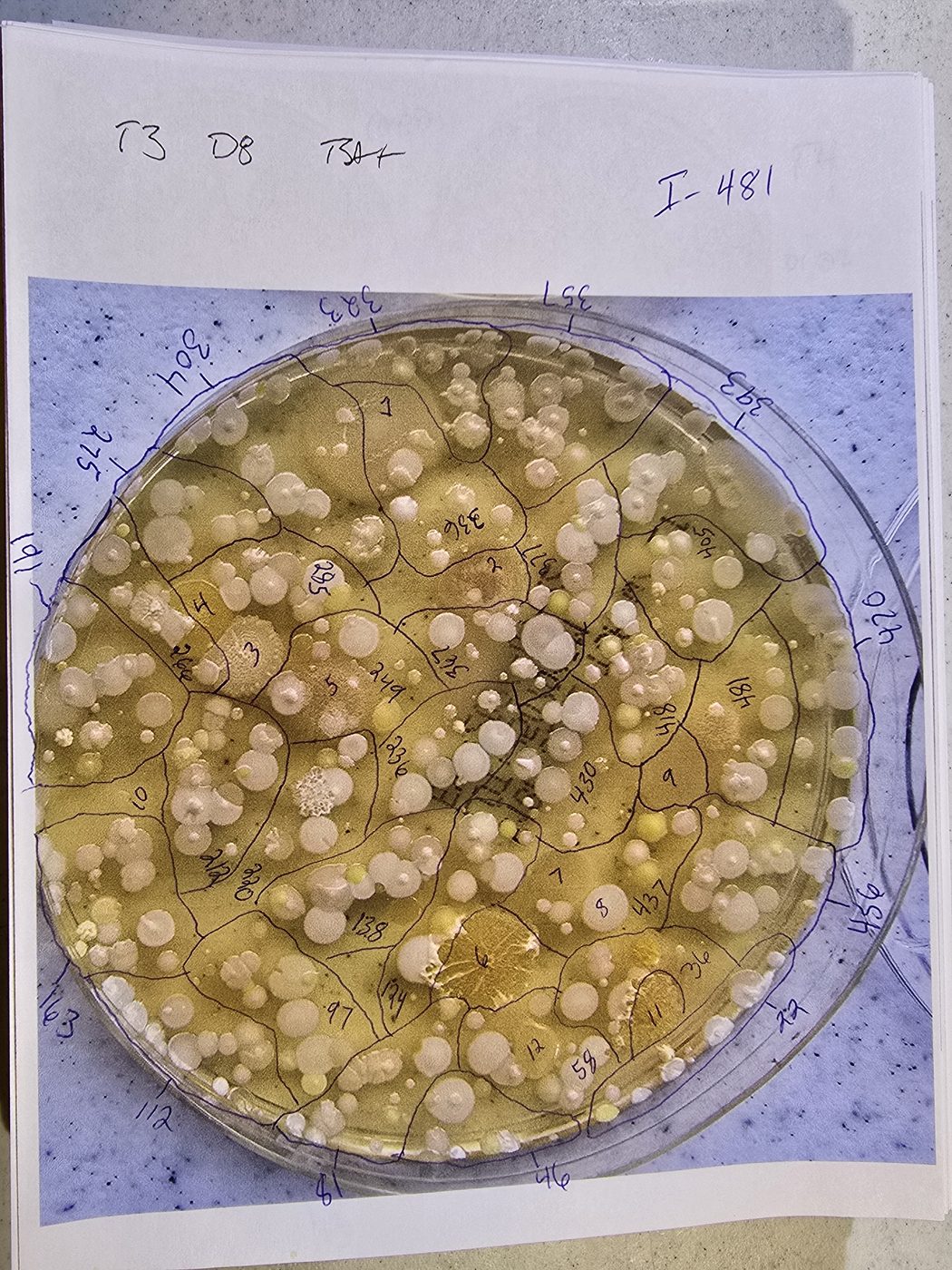
Hand-counted bacterial colonies from a dryer sample
One sample. Every colony counted by hand.
For Dryer Purchasers

If you purchased hand dryers, you've been harmed — and you are harming the people you serve.

There is a way to address it in court, with expert guidance.

Start here →
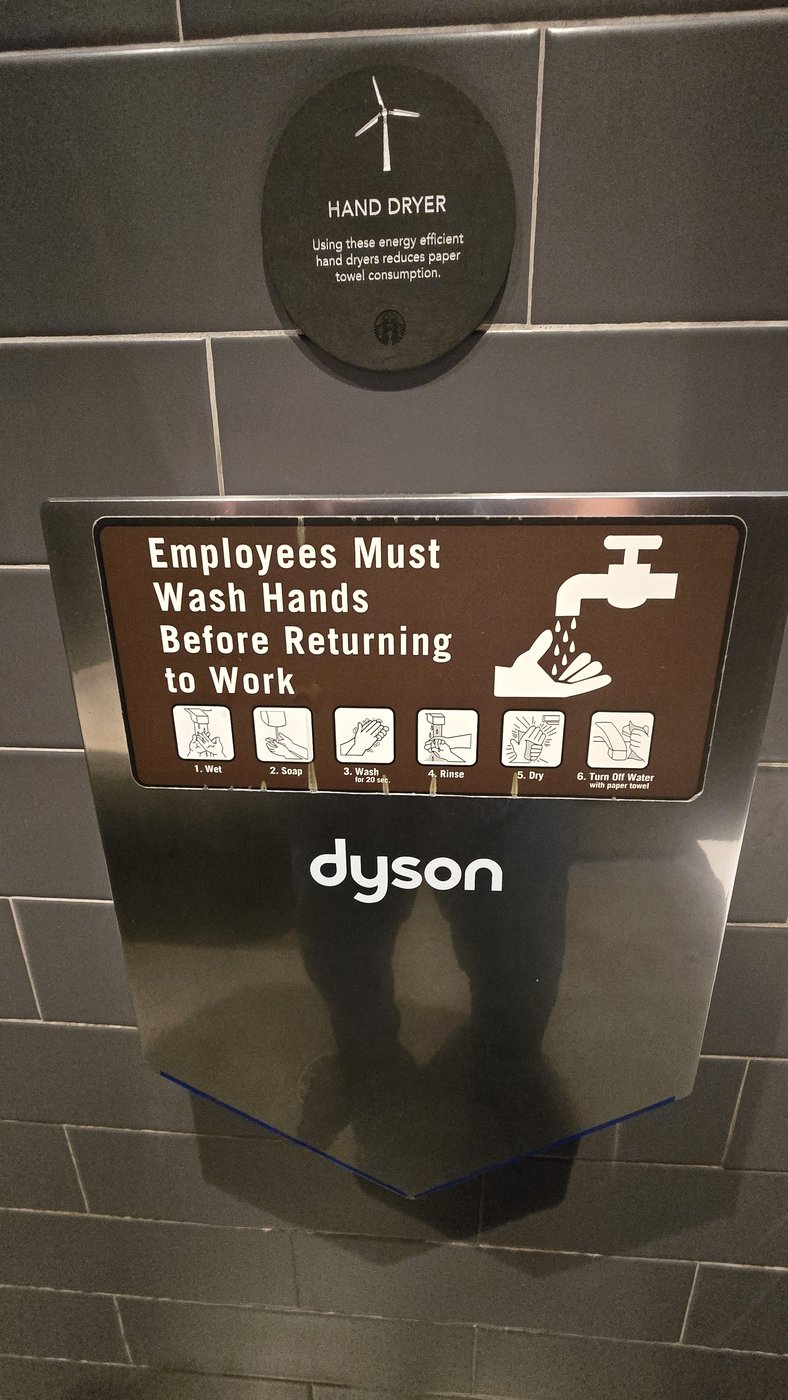
Energy-efficiency sign above a dryer; hand-washing mandate on it
Their own signage, above the dryer.
For Dryer Users

If you use a hand dryer, you've been harmed.

Let's band together and let the dryer purchasers know they have a problem.

Enough informed people change a market.

Here's how →
Contamination plate from a dryer sample
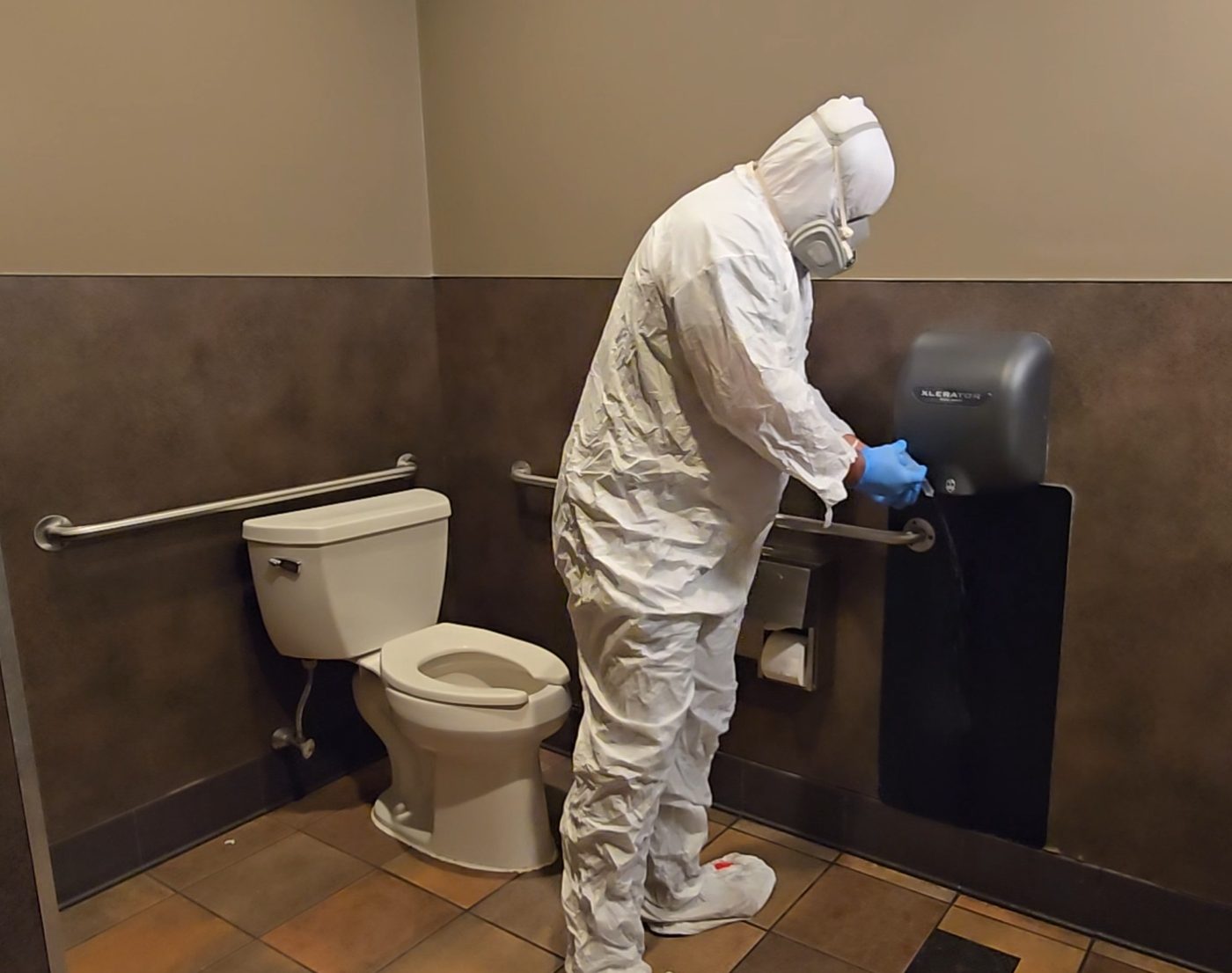
Sampling a hand dryer in protective gear
Federal Trade Commission consumer-protection page
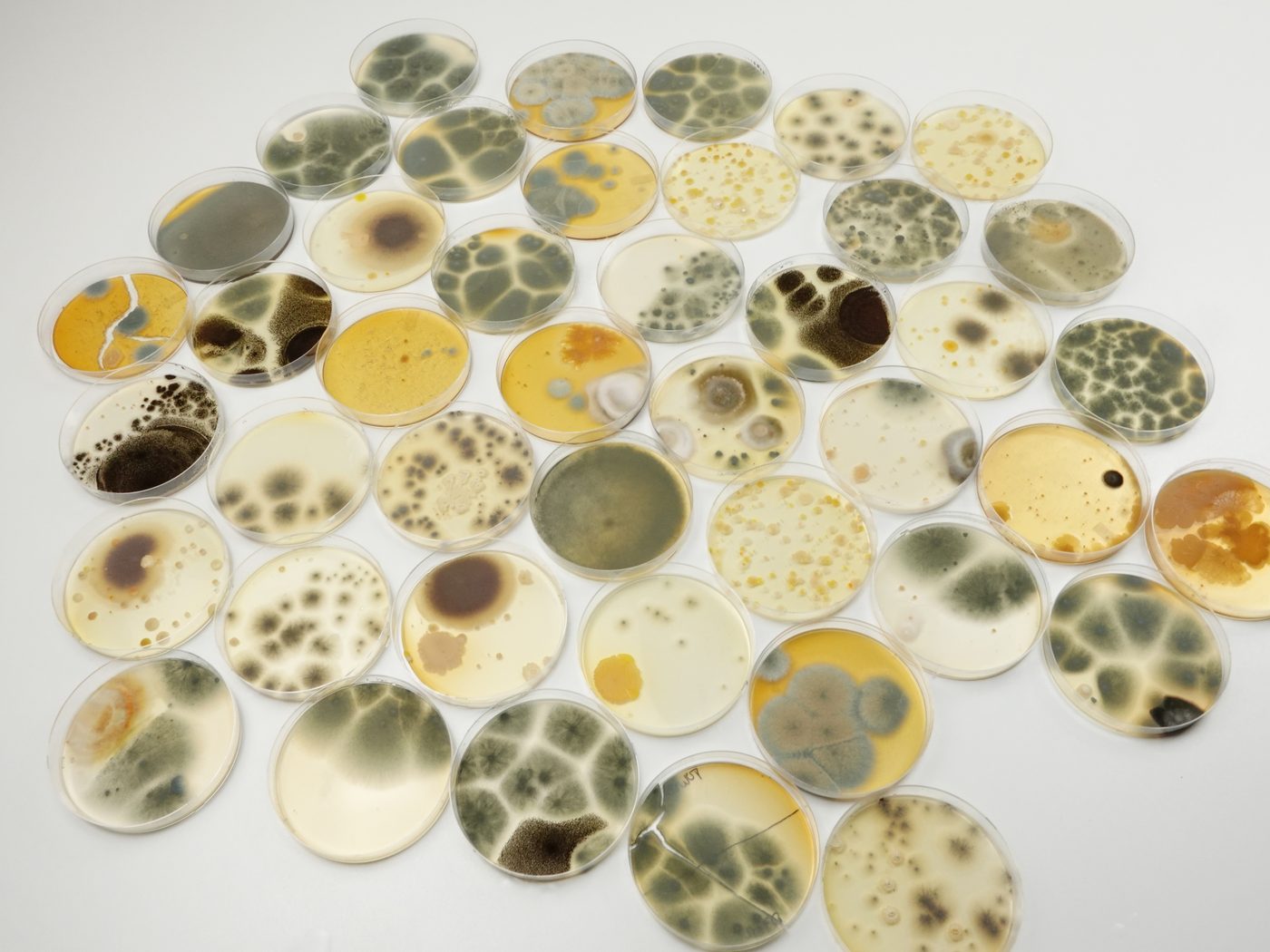
Dozens of contamination plates
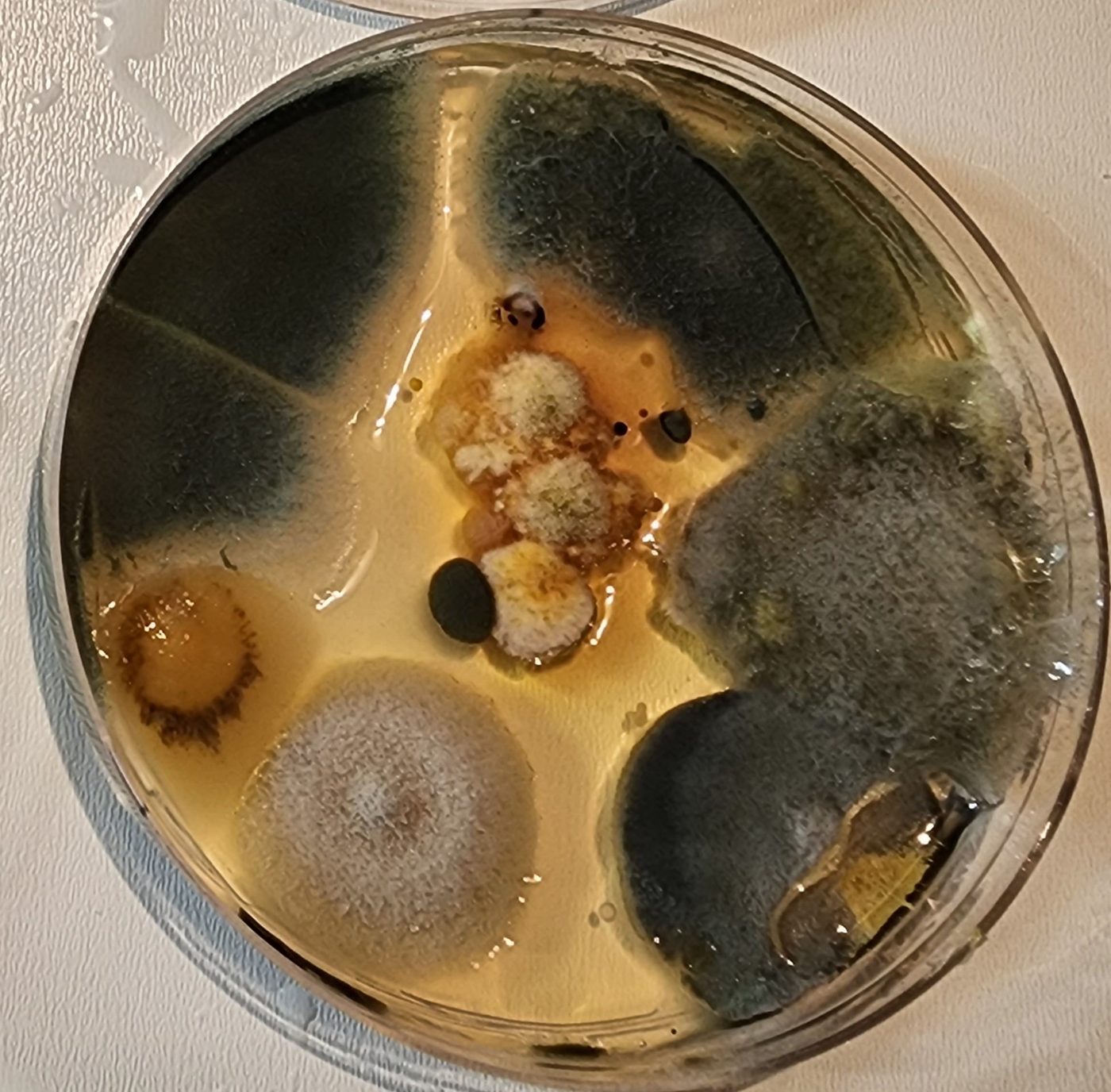
Heavy mold growth on a plate
A retail location entrance
Mold inside a soiled hand dryer
Dark mold colonies on a plate
Mold colonies on a plate
A dryer beside a posted handwashing sign

1 Mold and bacteria identified in samples from the dryer plume by Hayes Microbial Consulting, LLC — EPA Lab ID VA01419, report #25049698, reported October 8, 2025. View report →

2 Catastrophic Time-To-Dry Failures by Dyson, Excel and World Dryer Hand Dryers via the Bi-Modal Loose Water and Bound Water Mechanism: A Comprehensive Definitive Analysis; Blouch, R. A. Jr. (2025) [Preprint]. Retrieved from www.handdryerstudy.com. DOI: 10.5281/zenodo.17869567 — Paper [8]

3 An Empirical Refutation of Green Energy Claims for Dyson and Xlerator Hand Dryers in Use in Public Restrooms; Blouch, R. A. Jr. (2025) [Preprint]. Retrieved from www.handdryerstudy.com. DOI: 10.5281/zenodo.17859198 — Paper [7]